
I recently beat Morrowind again. It’s one of those games that I come back to every couple years or so, and in fact Morrowind might be my favorite game of all time.
The Elder Scrolls III: Morrowind is an open world RPG developed by Bethesda and released in 2002, when I was 10 years old. This was perhaps ideal timing for me to develop feelings of nostalgia for the game. The strange world of Morrowind captivated me immediately, and I have been returning to the game again and again for the past two decades. So what is it about Morrowind that I love so much?
Overall design
Bethesda was not shy about borrowing design elements from earlier games, works of fantasy, and so on. The Elder Scrolls series draws heavily from D&D, Tolkien, and history. There are high elves, wood elves, dark elves, orcs, goblins, knights, wizards, and so on. In many ways, the world is very generic high fantasy. Another major part of The Elder Scrolls is the Empire of Tamriel, based transparently on the Roman Empire.
That being said, Morrowind has a unique design. Unlike Oblivion and Skyrim, whose environments are based on western and northern Europe respectively, Morrowind has no direct geographical analogue. The game takes place on Vvardenfell, a volcanic island that is home to the dark elves (or “dunmer”) and a colony of the Empire. It is geographically diverse, containing swamps, grasslands, and wastelands of volcanic ash. Dunmer culture was not inspired by a single real-world culture but has elements reminiscent of the Middle East and East Asia. The flora and fauna of Vvardenfell are highly unusual. The island is covered in giant mushrooms. Niches occupied by mammals and birds elsewhere in Tamriel (and in the real world) tend to be occupied by reptiles and invertebrates in Vvardenfell. This includes several species of giant insect, such as silt striders that are used for transportation. Instead of wolves and bears, there are the reptilian alit and the insectoid nix hounds. Instead of cattle, there are the lizard-like guar and the flying jellyfish-like netch.
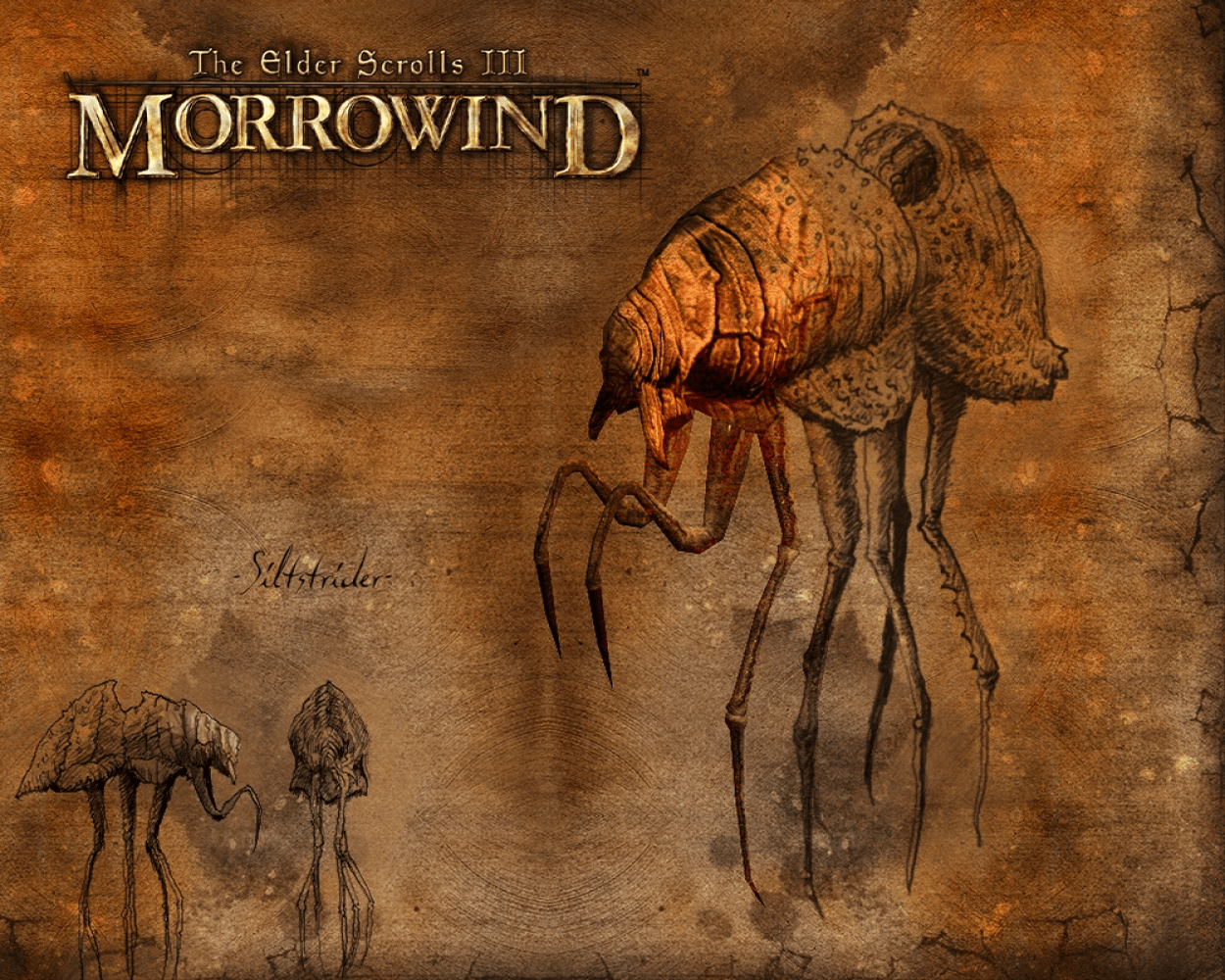
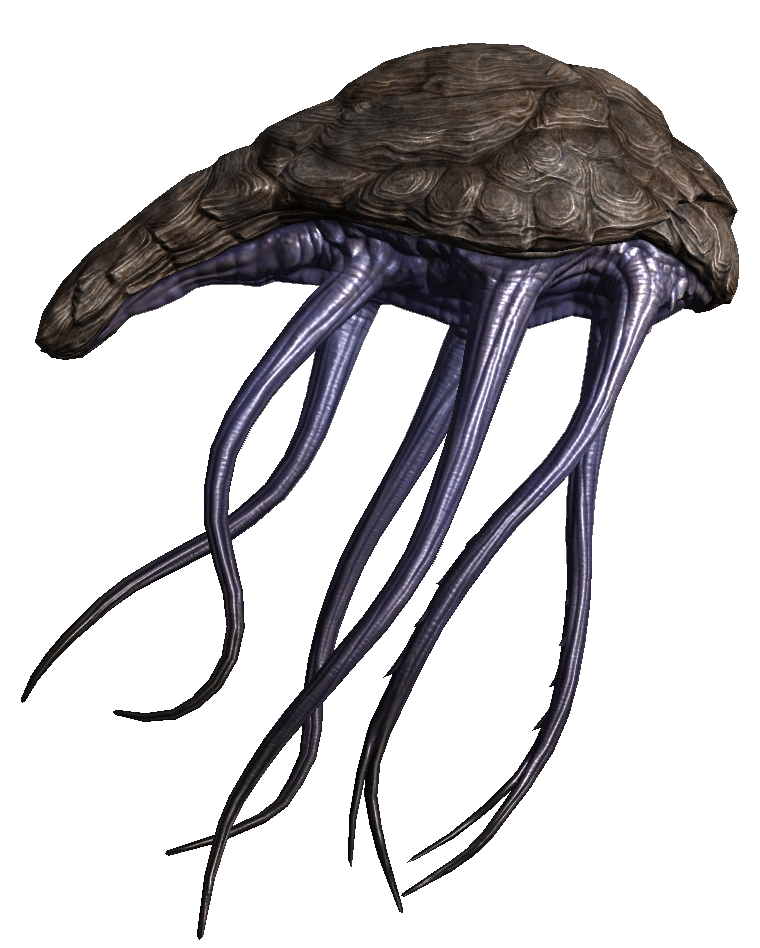
Vvardenfell is a bit like Australia. Many animals in Australia are unique to that continent, and often resemble animals from elsewhere in the world while not being closely related to those animals. Being isolated from the mainland, one can imagine that different species evolved on Vvardenfell to fill niches that would ordinarily be filled by more familiar species. This includes fungus taking on a tree-like niche as well as the invertebrates mentioned earlier.
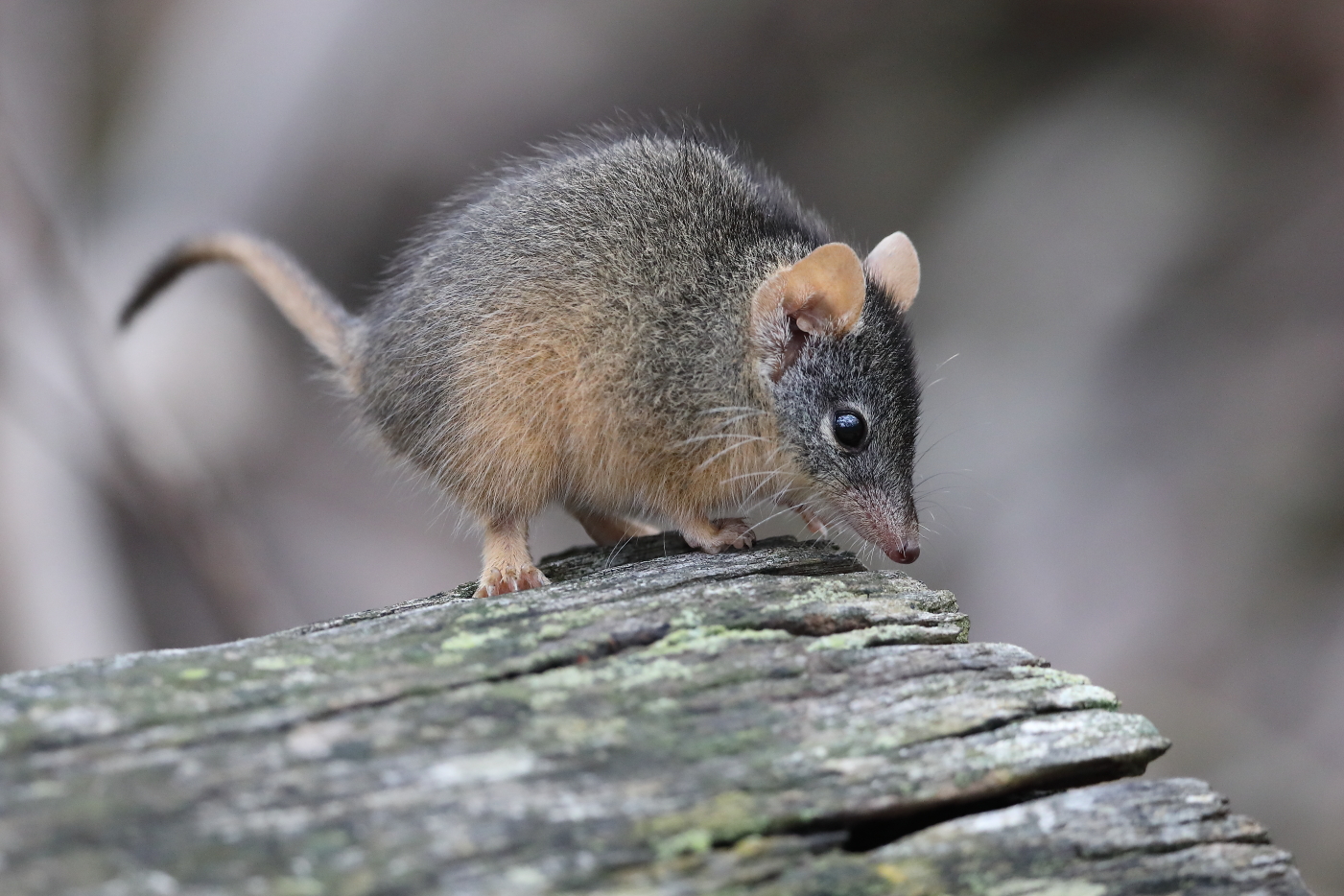
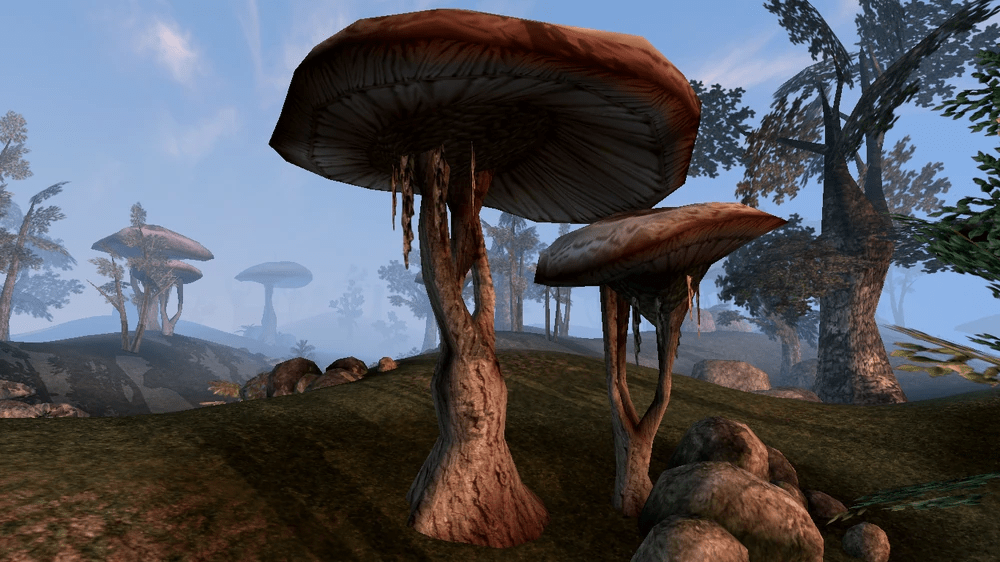
This ecosystem makes Morrowind feel like an alien world. This atmosphere not only makes exploration interesting but also reinforces the game’s narrative in which the player character (PC) is an outsider in this unfamiliar land.
Background lore
Our story begins with primordial spirits. One of them, Lorkhan, convinced several others to engage in a project to create a mortal realm called Nirn. When the project to create Nirn was nearly completed, the spirits discovered that Lorkhan had tricked them, and that they were severely weakened after pouring their energy into their new creation. As punishment, Lorkhan was killed and his heart torn out and thrown away, landing in the east of the continent of Tamriel and creating the volcanic Red Mountain.
The dunmer are descendants of a group of elves from the mainland called the chimer. They split from their ancestral group of primordial elves over a religious schism. The chimer were led east by the prophet Veloth into what is now Morrowind. The chimer came into conflict there with the local dwemer inhabitants who were technologically advanced. The dwemer discovered the heart of Lorkhan beneath Red Mountain and attempted to tap into its power, causing them to mysteriously disappear and leaving the heart behind. A trio of chimer leaders, Vivec, Almalexia, and Sotha Sil, used the dwemer’s tools on the heart to make themselves into godlike beings, calling themselves the Tribunal. They supplanted the old gods as the deities of the chimer religion. As punishment, one of the old gods named Azura cursed the chimer people by turning them into the dunmer.
Two other leaders were involved in tapping into the heart of Lorkhan, named Nerevar and Dagoth. In-game history tells multiple accounts of what happened, but they possibly tried to stop the Tribunal from using the heart and there was a struggle. Nerevar was killed and Dagoth became an enemy of the Tribunal, eventually using the heart himself. Azura created a prophecy that Nerevar would be reborn, defeat Dagoth, and cast out the false gods of the Tribunal. In Morrowind, the PC is Nerevar reborn (“Nerevarine”) fulfilling this prophecy. This is the main quest of the game. In Skyrim, some 200 years later, the dunmer have returned to Azura worship.
Dunmer culture
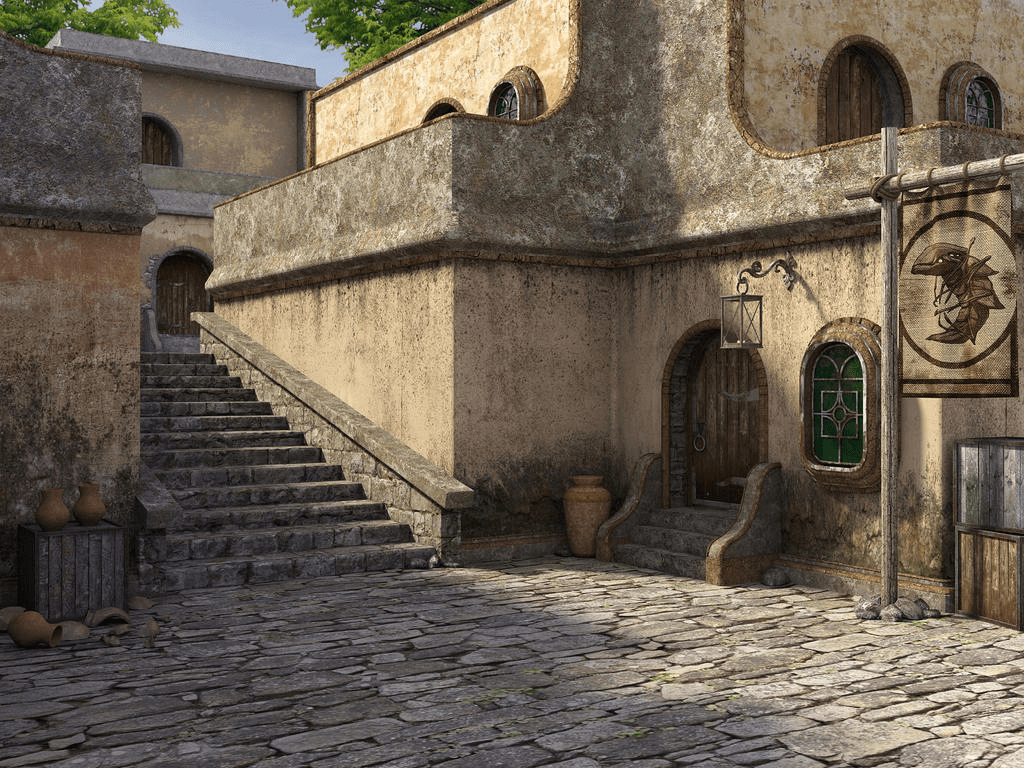
Dunmer architecture consists primarily of simple adobe structures. Stylistically, curves are preferred over sharp angles.
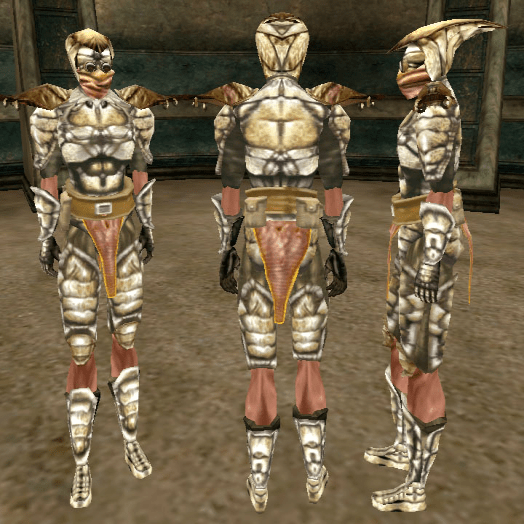
Dunmer armor is made from netch leather, insect chitin, and bonemold (made from bonemeal and resin).
The Imperial province of Morrowind is a theocracy controlled by the Tribunal. Regional governance is handled by five Great Houses in a kind of feudalism. Outside the purview of the Great Houses, the nomadic Ashlander tribes live more traditionally. The dunmer are known for fierce nationalism and a disdain for other sentient races, even allowing slavery.
Between its environment and its people, Vvardenfell could hardly be a more unfamiliar and hostile place. The greatest lie in Morrowind is told to the player by a guard right after creating a new character:
I’m sure you’ll fit right in.
Even playing as a dunmer, the PC is regarded as an “outlander” and generally unwelcome in Morrowind until they’ve proven themselves.
Plot and gameplay
So why is an unwelcoming environment fun? It’s because of that last part– proving yourself. You can rise from being hated by most and disliked by some to become a local hero or even a warlord, commanding others’ respect wherever you go.
Morrowind gives players more freedom than most. You start the game with little more than the clothes on your back and instructions to deliver a package to a man named Caius. He turns out to be a leader of the Blades, the Imperial spy network, and he has work for you. You begin by investigating a “Sixth House cult” and a “Nerevarine cult.” The so-called Sixth Great House is House Dagoth. He has been residing in the depths of Red Mountain, building his power with the ultimate goal of destroying the Tribunal, throwing off the Empire’s yoke, and purging Morrowind of outlanders. The Nerevarine cult believes that Nerevar will return to fulfill the prophecy and defeat Dagoth. This prophecy was written onto an Elder Scroll, presumably read by a moth priest in the Imperial City, which is how the Blades know about it.
Morrowind does something clever by having you investigate these topics yourself before letting you know that you are thought to be the prophesized Nerevarine. The remainder of the main quest consists of fulfilling the prophecy and defeating Dagoth.
The game is slow-paced. I have spent countless hours walking from one destination to another. It is the game’s atmosphere and Jeremy Soule’s soundtrack that keep this from getting boring.
Slow movement speed and mountainous terrain make the island of Vvardenfell feel bigger than it is. Limited view distance (a technological limitation at the time) also contributes to this effect.
Of all the aspects of the game’s atmosphere, I think the sky and weather are my favorite. Morrowind has an advanced (for the time) dynamic weather system and skies that still live up to this day in my opinion.
An old favorite
Like I said, I have a lot of nostalgia for this game. I wouldn’t recommend it today to someone who hasn’t played it before. By modern standards, the game is janky in a way that is pretty characteristic of old school RPGs. For example, in combat, you don’t hit an enemy by having the weapon model collide with the enemy model. Instead, it’s based on a complex set of “dice rolls.” Your chance to hit depends on your character stats. This can be incredibly frustrating for players just starting out. At level 1, with low skills, it’s difficult to even land a hit. I’m used to it, so it doesn’t bother me. In many ways, I prefer the complex tabletop-game-like stats of Morrowind over the streamlined, immersive combat of Skyrim and more recent games.
Morrowind is like an old friend. While many players change things up with mods, I have always preferred the vanilla game. Rather than novelty, I like the familiarity. I don’t always play exactly the same way; I play different types of characters and engage in different side quests. Sometimes I play the expansions, Tribunal and Bloodmoon, sometimes not. Either way, returning to this familiar alien world is always a magical experience.
 thoughts on mind
