
I am no expert by any means, but when I see others interacting with animals I often see several common and easy-to-make mistakes. I want to share here my idea of how to effectively interact with an animal you do not know, especially animals that are not immediately friendly and social.
The most important principles when approaching an animal are empathy, compassion, and patience. By empathy, I mean understanding the situation from the animal’s perspective. By compassion, I mean having consideration for how the animal feels. Patience is self-explanatory, but is important to always maintain.
1. Understand the species
Different species of animals have very different behaviors and different ways of perceiving the world. Understand what the particular species will find threatening based on their natural habitat and predators, and understand how members of that species respond to threats. Understand how feelings are displayed or communicated, such as fear, hunger, curiosity, contentment, exhaustion, etc.
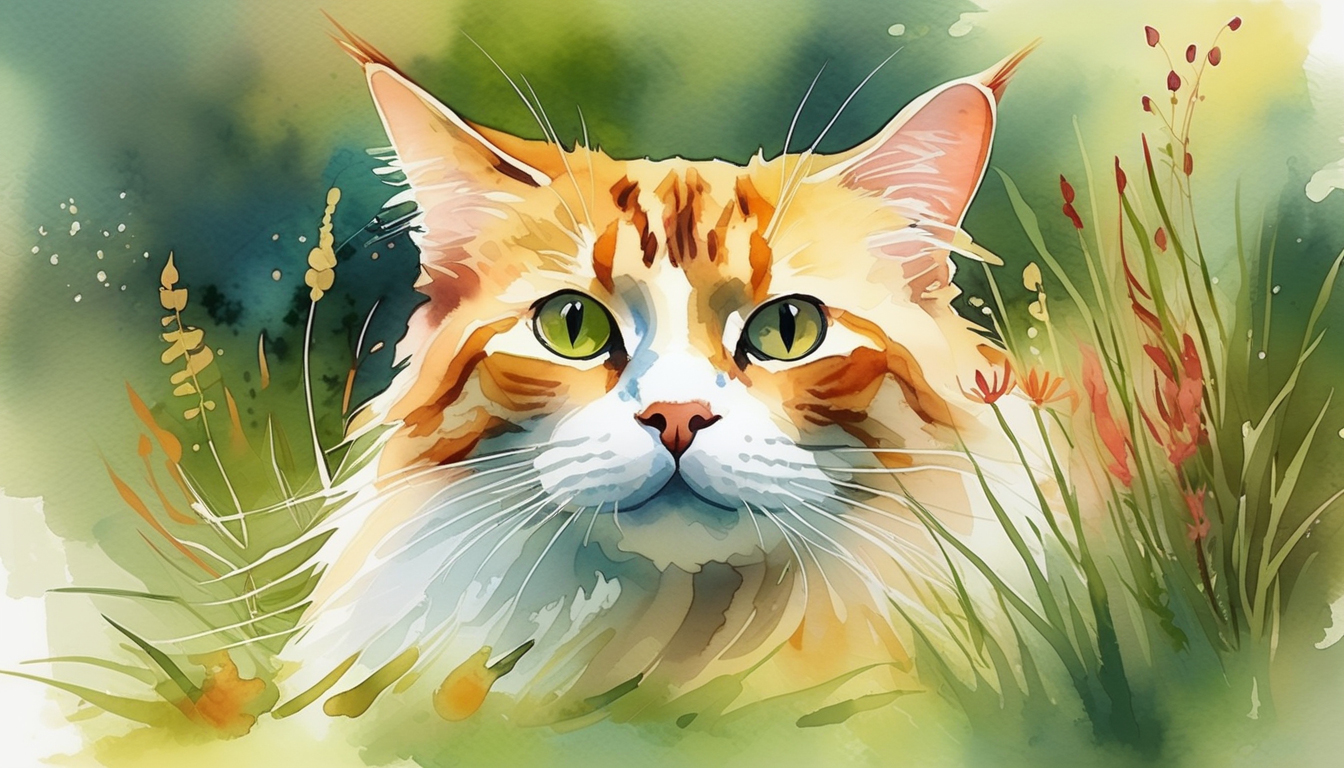
It is especially important to understand the nature of an animal’s sensory perception, since these are often extremely different from humans’. While humans are strongly visual, many other animals have poor eyesight or highly specialized eyesight and rely on other senses. For example, cats have exceptionally good hearing due to their large and structurally complex ears and their ability to turn their ears towards sounds. Their eyes are optimized for dark vision and detecting movement, but they have trouble focusing on stationary objects, especially things that are close to their face. Cats make up for their farsightedness by having sensitive whiskers around their mouth and eyes, as well as by having a good sense of smell. Dogs vary by breed, but mostly they have a better sense of smell than hearing, and better hearing than eyesight. Birds, on the other hand, often have very good eyesight.
2. Get acquainted with the individual
All members of a given species are not the same. Many animals have highly distinctive personalities, different likes and dislikes, and so on. Take time to observe the individual at a safe distance and learn what their behaviors are like.
When approaching an animal, do so in a way that gives them the maximum possible amount of salient information about you (based on their sensory perception) and from an angle that is the least threatening possible based on what that animal is going to find threatening. In general, placing yourself lower to the ground and moving with slow, smooth motions is often advisable.
Get close enough that the animal can perceive you, then stop and let them think about the situation and evaluate you as a potential threat. If they appear threatened, back off. If they ignore you, move in closer. Keep providing them information about you. If the animal is potentially dangerous, act absolutely unafraid. Approaching an animal fearfully will tend to make the animal want to attack you or defend itself.
3. Be patient and show respect
Interactions should be on the animal’s terms. Initially, wait for them to come to you. When you are well acquainted, you can approach them for interaction but the animal must be free to easily end the interaction at any time, e.g. by walking away. Never trap an animal in an interaction or coerce them through stress. Accept that the animal may not want to interact with you. If you are patient in the beginning, they will be more likely to want to interact with you later on.
Respect the animal’s moods and physiological needs. Don’t wake them from sleep or continue trying to interact with them when they seem annoyed.
4. Establish boundaries
React appropriately to behavior that is harmful or aggressive towards you, typically by calmly and immediately leaving the situation. Animals generally do not learn well through punishment, since most will not understand why you are reacting that way. Punishment can lead to compliance, but only so long as the animal believes they will be punished for their present action and the punishment outweighs the potential benefit of noncompliance. It will not make the animal want to comply. This means that if you are not present, or if the animal is under a great deal of stress, they will no longer comply because they have no internal desire to do so.
It is not possible to force another organism to change its behavior. It is only possible to motivate it to change its behavior. You must accept that animals will behave as they will.
5. Build mutual trust
First, do not take advantage of animal if they put themselves in a vulnerable position around you as this will erode trust. Second, putting yourself in a vulnerable position around them is usually a good way to build trust. High defenses will be met with high defenses, or worse, aggression. There will inevitably be moments that make mutual trust more difficult, such as you or the animal accidentally causing harm to the other. Accept these moments as a normal part of building trust.
Again, be patient with this process and understand that the animal doesn’t perceive things in the same way as you.
 thoughts on mind