
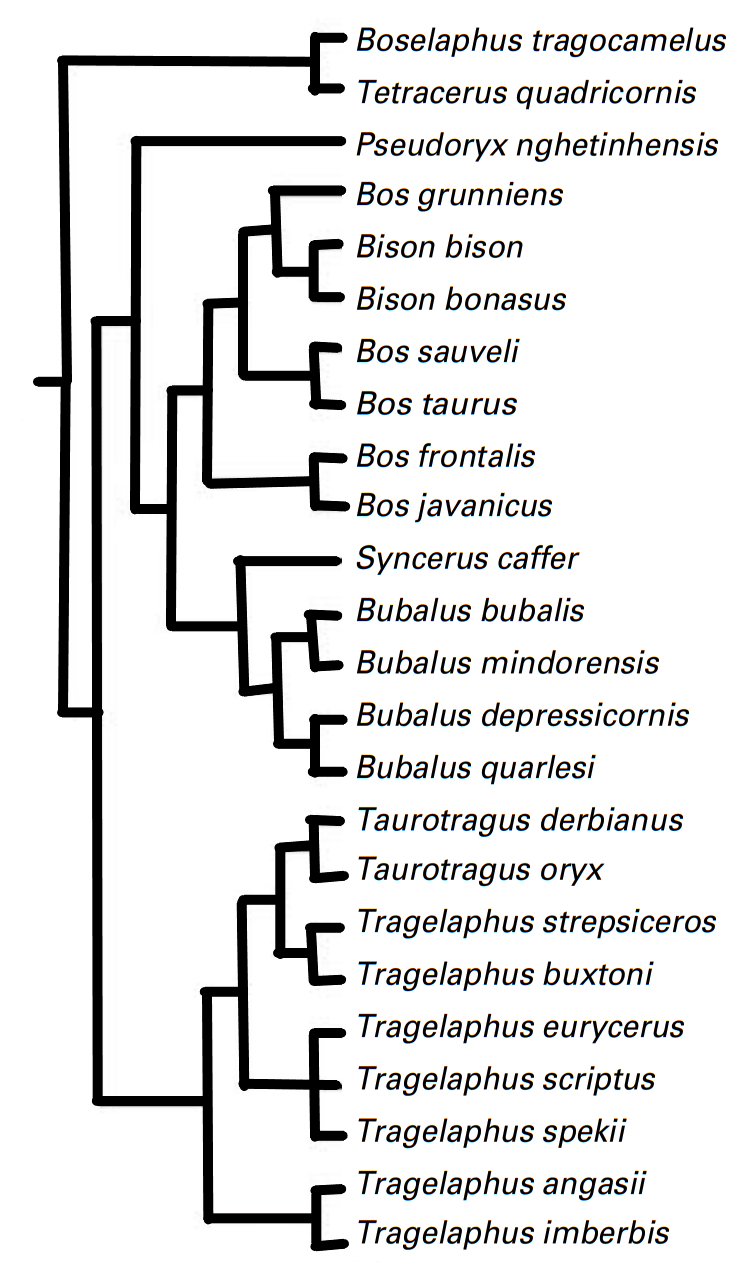
The suborder Ruminantia includes nearly 200 extant species in six families (Tragulidae, Giraffidae, Antilocapridae, Moschidae, Cervidae, and Bovidae), and is the most important group of large terrestrial herbivorous mammals.
Hernández Fernández and Vrba 2005, p. 270
Ruminants are a cosmopolitan group of even-toed ungulates (artiodactyls). They are often distinguished from other large herbivorous mammals by their specialized adaptation for digesting grasses and other fibrous plants: namely, a four-chambered stomach and a behavior of regurgitating partially digested food for further mastication (“chewing the cud”).
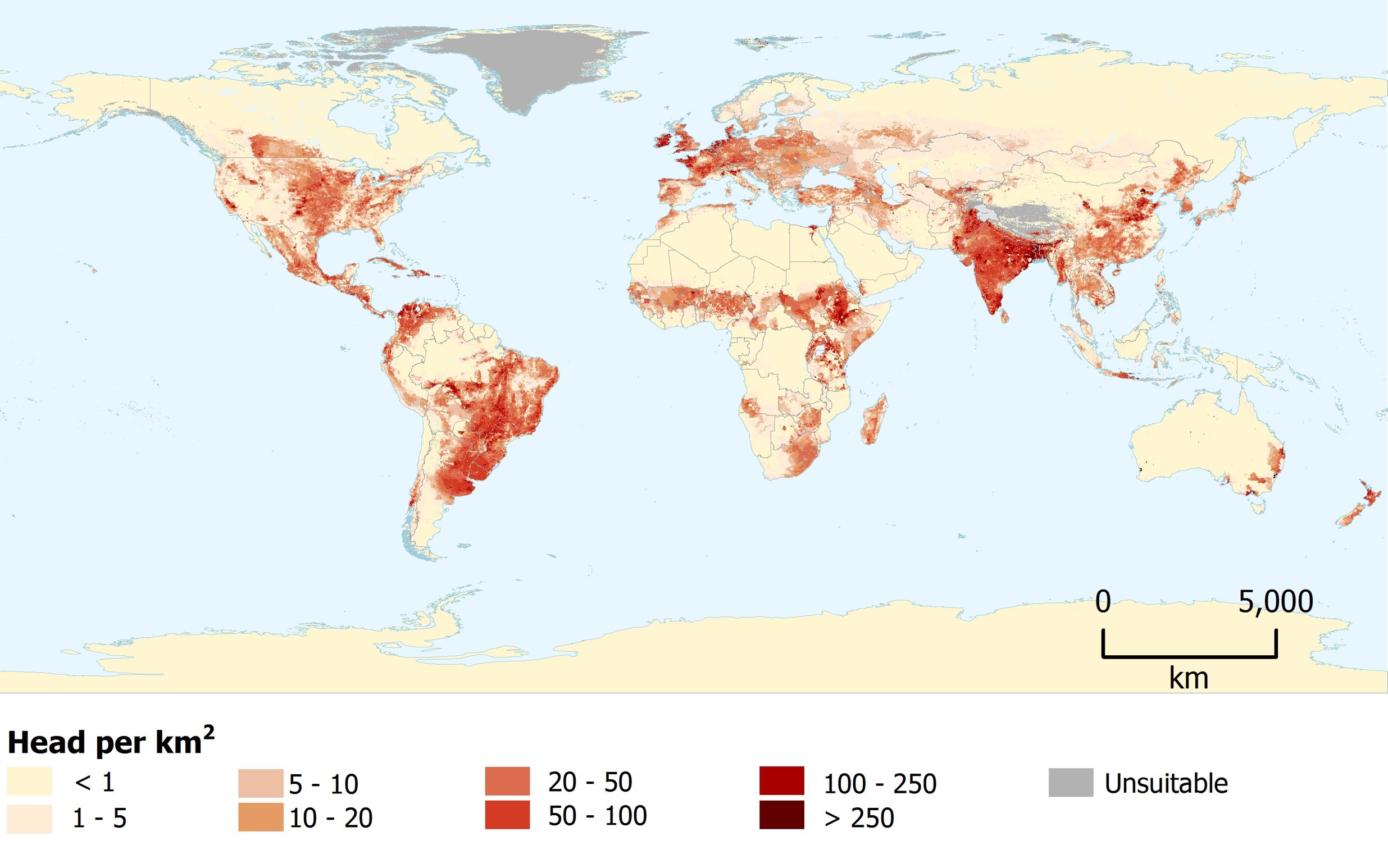
When I think of ruminants I usually think of the bovines (subfamily Bovinae within family Bovidae), and especially Bos taurus, the domestic cow. According to the US Department of Agriculture and the UN Food and Agriculture Organization, there are over 1 billion cattle in the world as of 2021 (Brown 2021).
When ruminants eat grass and other foraged roughage, it first enters the largest stomach chamber, the rumen. This chamber is only very slightly acidic at a pH of about 6 (comparable to human saliva). The rumen contains a complex microbial ecosystem that breaks down plant matter through fermentation, aided by the animal periodically rechewing contents of the rumen to break up plants mechanically as they ferment. A cow’s gut biome contains bacteria, protozoa (protists, like amoeba), and fungi. Following rumination, the partially digested food must move through the reticulum, omasum, and abomasum, followed by the small and large intestines. (Parish and Karisch 2023.)
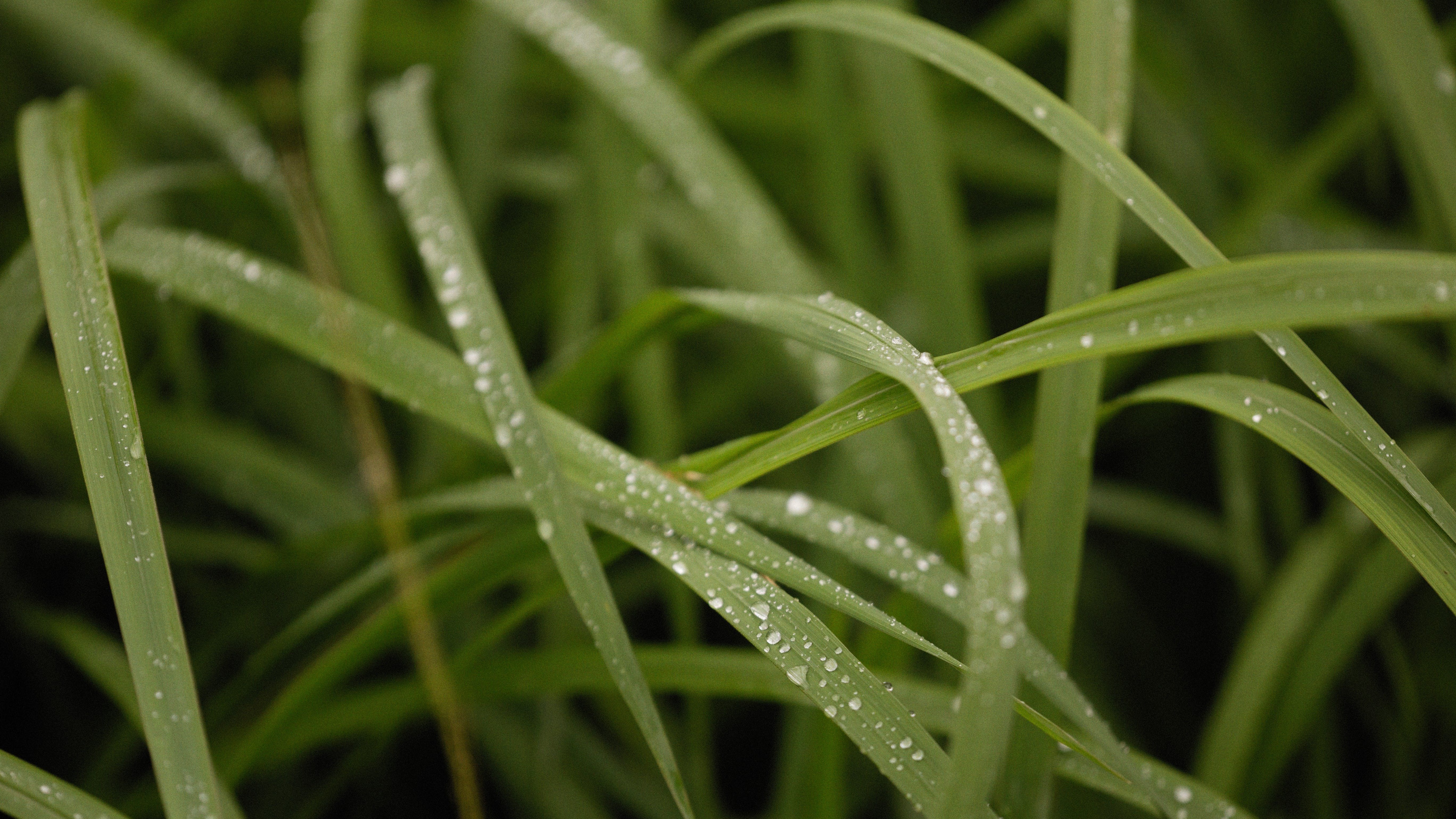
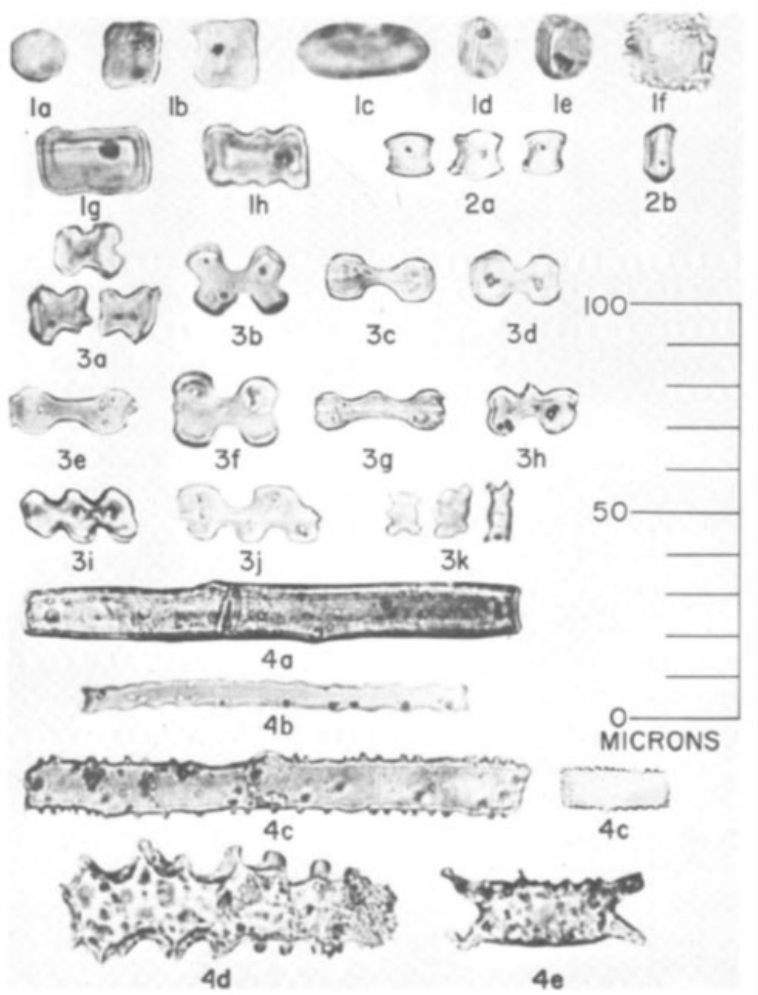
This is a biologically laborious process, but such adaptation enables these animals to take advantage of a food source (grasses) that is off-limits to most herbivores and omnivores. Grass cell walls are made up of cellulose and strengthened with lignin, which make them difficult to break apart and digest. Humans not only cannot digest grass, but even attempting to chew it can damage your teeth: many grass species contain phytoliths (literally, “plant stones”), small grains of silica that strengthen the leaves’ epidermis. Silica is more or less sand or glass, though these are extremely fine particles.
Cows’ teeth get worn down too, but they have adapted hypsodont teeth that continue erupting from the gumline over their lifetime to make up for this (Rouge N.D.).
How humans are like cows sometimes
Humans ruminate. Not in the same way cows do, it’s just an analogy. Our stomachs are too acidic for that anyway; regurgitation in humans can damage the esophagus, throat, and teeth.
Many people are familiar with the concept of ruminating over thoughts, but I think it’s a really good analogy. Let’s look at it a little more closely.
Rumination is a type of thinking that may be intentional or unintentional. It can happen entirely within a person’s head or it can be expressed verbally to another person. Rumination is defined as thinking passively about current (perceived) problems, negative feelings, and past events. It is distinguished from worry, which is future-oriented. Rumination often feels like problem solving to the individual, but it is distinguished from problem solving by failing to make progress towards a solution.
Ruminating thoughts tend to be repetitive, thinking about the same thing over and over. Here’s where the analogy comes in. Instead of letting thoughts pass, we keep bringing them back up again and again. The image I have in my mind when I think about my own rumination is of a cow standing in a field, staring blankly at nothing, just chewing. The cow may swallow, but then just regurgitates and continues chewing.
The analogy is of course not perfect. Would that we were so lucky as to be like a cow! Their deliberate mastication is making progress towards breaking down the food and it will eventually become energy for them. Ruminating thoughts are unhelpful and often make us feel worse. Rumination can exacerbate symptoms of depression such as isolation and inactivity.
What is the solution then, if we can’t resolve these thoughts by continuing to chew on them? As mentioned, rumination can be involuntary. This is where the cognitive behavioral therapy (CBT) triangle comes in.
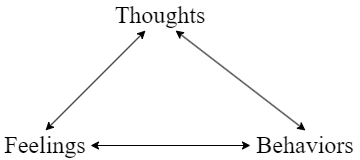
Thoughts, feelings (including emotions), and behaviors each affect one another. We are unable to control feelings directly, we can somewhat but not completely control our thoughts, and behaviors we have the most control over. Using this model, the aim of CBT is to improve feelings through changes in behavior and, to a lesser extent, thoughts.
So when I find myself ruminating, there are behaviors I can engage in to address it. First, there are ways to interrupt rumination and/or redirect attention. These include physically moving into a different space, engaging in an activity that requires full attention, and drowning out thoughts with music. (See also the dialectical behavioral therapy (DBT) skills ACCEPTS and IMPROVE.)
Second, mindfulness can allow thoughts to pass without ruminating on them. DBT describes this is in terms of the What skill and the How skill. A similar approach is called cognitive defusion in acceptance and commitment therapy (ACT), for example the “leaves on a stream” visualization/meditation exercise. I have also heard of versions in which you visualize your thoughts as passing clouds in the sky or cars on a highway.

Avoiding rumination isn’t easy. These things are referred to as skills and exercises because they take practice.
References
Brown, G (2021). How Many Cows Are There in the World? Cairncrest Farm. https://cairncrestfarm.com/blog/how-many-cows-are-there-in-the-world/
DBT tools (N.D.). Based on the work of M. Linehan. https://dbt.tools/index.php
Hernández Fernández, M. and Vrba, E. S. (2005). A complete estimate of the phylogenetic relationships in Ruminantia: a dated species-level supertree of the extant ruminants. Biological Reviews 80(2), pp. 269-302.
Parish, J. and Karisch, B. B. (2023). Understanding the Ruminant Animal Digestive System. Mississippi State University Extension. http://extension.msstate.edu/publications/understanding-the-ruminant-animal-digestive-system
Robinson, T. P., Wint, G. R. W., Conchedda, G., Van Boeckel, T. P., Ercoli, V., Palamara, E., et al. (2014). Mapping the Global Distribution of Livestock. PLoS ONE 9(5): e96084. https://doi.org/10.1371/journal.pone.0096084
Rouge, M. (N.D.). Dental Anatomy. Pathophysiology of the Digestive System. Colorado State University. http://www.vivo.colostate.edu/hbooks/pathphys/digestion/pregastric/dentalanat.html
Therapist Aid (N.D.). Leaves on a Stream (Worksheet). https://www.therapistaid.com/therapy-worksheet/leaves-on-a-stream-worksheet
Twiss, P. C., Suess, E., and Smith, R. M. (1969). Morphological Classification of Grass Phytoliths. Soil Science Society of America, Proceedings (33), pp. 109-115.
 thoughts on mind